Flat Clearance Southgate — Recycling and Sustainability
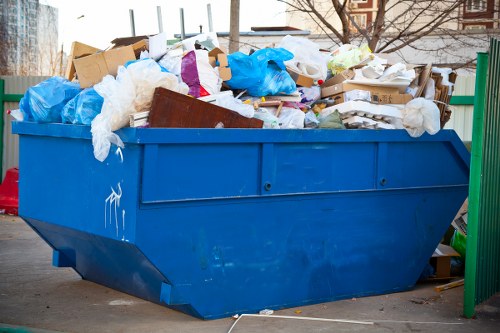 Flat Clearance Southgate is committed to creating an eco-friendly waste disposal area across every project. Our sustainable rubbish area strategy focuses on maximising reuse, driving higher recycling rates and reducing the carbon footprint of removals and clearances in Southgate and surrounding boroughs. We work with local councils' approaches to waste separation to ensure materials are handled in line with municipal streams for paper, glass, food and mixed recycling.
As a provider of flat clearance in Southgate, our mission goes beyond simple disposal. We set an ambitious recycling percentage target: a minimum 70% recycling and reuse of all recoverable materials collected from flats by 2028. This target guides how we sort, process and divert items from landfill and supports the wider borough goals for waste reduction and circular resource use.
 Part of meeting that target is choosing correct transfer points. We regularly route materials via local transfer stations such as Edmonton EcoPark and other borough transfer hubs that specialise in material separation and energy recovery. Using these facilities helps to ensure that glass, metals, paper and bulky furniture are sent to the most appropriate recycling or re-processing streams rather than being consigned to landfill.
How we create a sustainable rubbish area
Our Southgate flat clearance teams operate with a clear waste hierarchy: reduce, reuse, recycle. At the property we sort on-site into reusable items, charity-bound goods, recyclable streams and residual waste. This onsite separation mirrors the boroughs' collection patterns — separate bins for recycling, food and general waste — so that materials entering the municipal network are already optimised.
We supply labelled containers during clearances where necessary and partner with local social enterprises to salvage items with reuse value. From small electricals and books to furniture and textiles, many items can be given a second life through well-established channels rather than being destroyed.

Partnerships with charities and re-use organisations
Strong charity partnerships are central to our reuse strategy. We work with recognised charities and community groups including Emmaus, British Heart Foundation outlets and local community re-use projects to direct suitable furniture, appliances and clothing into charity shops or refurbishment programmes. These collaborations reduce environmental impact while supporting local social causes and employment initiatives.
Beyond large national charities, we maintain links with borough-level reuse hubs and community networks that accept items not suitable for mainstream retail but ideal for repair, upcycling or redistribution. These relationships help keep bulky items circulating locally and cut down on unnecessary transport distances.
We also support hazardous and specialist waste pathways. Items like oils, batteries, paint and certain electronics are segregated and taken to licensed transfer facilities that accept hazardous streams, ensuring compliance and protecting local recycling processes from contamination.
 Low-carbon vans and fleet choices
To make the entire clearance activity low impact, our fleet includes low-carbon vans — electric and hybrid models where routes and charging allow — alongside modern Euro 6 diesel vehicles for longer or denser runs. Using low-carbon vans not only cuts direct emissions but also supports quieter, cleaner operations in residential streets, aligning with local air quality objectives.
Route planning and load consolidation are also integral to reducing carbon intensity: we consolidate pickups by neighbourhood, use optimised routing software and coordinate visits with transfer station schedules to minimise empty running and unnecessary mileage.
Material streams we prioritise
Typical recycling activity for Southgate flat removals includes:
- Cardboard and paper: boxed and baled for local paper mills or borough collection points.
- Glass and metals: separated to avoid contamination and directed to specialist recyclers.
- WEEE (electricals): tested, refurbished where possible, or sent to certified e-waste processors.
- Furniture and textiles: reused via charity partnerships or reclaimed for material recovery.
- Hazardous small streams (batteries, paints): handled via licensed transfer stations.
Monitoring, reporting and community impact
We track progress against our recycling percentage target and provide internal reports that show diversion rates, tonnages sent to reuse and estimated CO2 savings from low-carbon fleet use. Measuring outcomes helps refine practices and demonstrates how a local Southgate flat clearance approach can support borough sustainability objectives.
Our activity also strengthens the local circular economy by feeding materials into regional reprocessors, supporting jobs in refurbishment and reducing demand for virgin resources. This creates a measurable community benefit from each clearance we undertake.
In summary, whether described as Flat Clearance Southgate, flat removal Southgate or Southgate flat clearance, our operations prioritise an eco-friendly waste disposal area and a resilient, sustainable rubbish area. By combining an ambitious recycling target, strategic use of transfer stations, valued charity partnerships and low-carbon vans we work to keep Southgate's streets cleaner, greener and more resource-efficient.