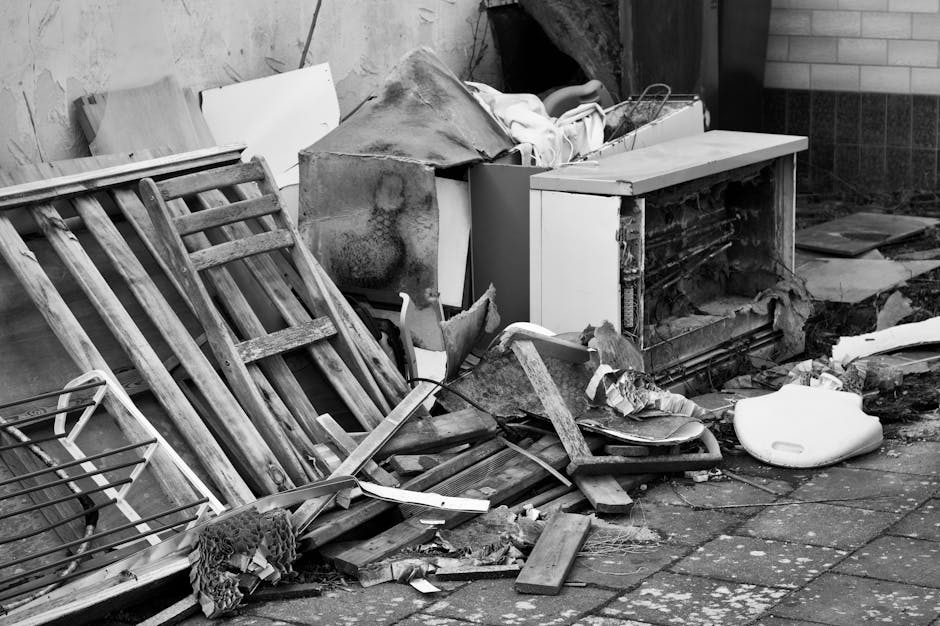
Southgate rubbish removal guide for N14 homes and flats
If you live in Southgate, you already know the awkward side of clearing rubbish is not always the rubbish itself. It is the stairs, the tight hallways, the parking, the neighbours, and the sudden realisation that the old sofa is somehow heavier than it looked. This Southgate rubbish removal guide for N14 homes and flats is here to make that whole job feel a lot more manageable. Whether you are clearing a one-bedroom flat, a family house, a loft, a garage, or a pile of mixed household junk after a move, the right approach can save time, reduce stress, and avoid a few expensive mistakes.
In plain English, rubbish removal is about getting unwanted items collected, sorted, and taken away responsibly. But in a place like N14, the details matter. Flats often have shared access, limited lift space, and timing restrictions. Homes may have bulky furniture, garden waste, or renovation debris tucked away in different corners. The good news? Once you understand the process, it becomes far less daunting. And yes, it can be surprisingly straightforward.
This guide walks through how rubbish removal works in Southgate, what to expect, what to watch out for, and how to choose the most sensible option for your situation. You will also find practical checklists, a clear comparison table, and a few real-world tips that tend to get missed in thinner articles.
Table of Contents
- Why Southgate rubbish removal guide for N14 homes and flats Matters
- How Southgate rubbish removal guide for N14 homes and flats Works
- Key Benefits and Practical Advantages
- Who This Is For and When It Makes Sense
- Step-by-Step Guidance
- Expert Tips for Better Results
- Common Mistakes to Avoid
- Tools, Resources and Recommendations
- Law, Compliance, Standards, or Best Practice
- Options, Methods, or Comparison Table
- Case Study or Real-World Example
- Practical Checklist
- Conclusion
- Frequently Asked Questions
Why Southgate rubbish removal guide for N14 homes and flats Matters
Rubbish removal sounds simple until you are standing in a hallway with a broken wardrobe and nowhere obvious to put it. That is especially true in Southgate and the wider N14 area, where many homes and flats have shared entrances, narrow staircases, and limited outside space. A good plan matters because it helps you avoid clutter building up, reduces fire and trip risks, and keeps communal areas presentable for everyone who uses them.
There is also the time factor. If you are moving, renovating, or handling a family property after a change in circumstances, rubbish has a habit of spreading out across every room. One bag turns into three. A small clear-out becomes a full afternoon. Before long, you are dealing with dust, awkward furniture, and the mild chaos that always seems to appear after 4 pm on a weekday. Been there, frankly.
For flats, the stakes are a little higher. Poorly managed waste can block exits, upset neighbours, or create issues with managing agents and building rules. For houses, the challenge is often volume: loft clutter, garden cuttings, old appliances, and bulky items that are hard to shift safely. Either way, the key is to match the removal method to the actual job, not the other way around.
That is why local service pages such as flat clearance, house clearance, and home clearance are often a better fit than a one-size-fits-all approach. Different properties, different mess. Simple as that.
How Southgate rubbish removal guide for N14 homes and flats Works
At a practical level, rubbish removal usually follows a fairly simple flow: you identify the items, request a quote or booking, arrange access, and have the waste collected and removed. The difference lies in how the job is handled. Some loads are small and straightforward. Others need careful lifting, sorting, and separate handling for specific item types.
For a Southgate flat, access is often the first thing to think about. Is there a lift? Is the item larger than the lift door? Can the vehicle park close enough for quick loading? Are there time restrictions on when collections can happen? These questions sound boring until you are trying to carry a mattress down three flights of stairs. Then they become very interesting, very quickly.
For homes, the process may involve a wider range of waste streams. You might have furniture in one room, garden waste at the back, old appliances in the kitchen, and builders' rubble from a DIY job. In those cases, a mixed clearance service can be far more efficient than trying to separate everything yourself.
It also helps to think in terms of the end destination. Reuse, recycling, and responsible disposal are not just nice extras. They are usually part of the service decision. If you are clearing good-quality furniture, for example, that may be better handled through furniture clearance or furniture disposal depending on condition and reuse potential. If the job includes broken appliances, fridge and appliance removal may be the safer, more suitable route.
Key Benefits and Practical Advantages
The biggest benefit is simple: you get your space back. That sounds obvious, but there is a real psychological lift when a cluttered room suddenly feels breathable again. You notice the floor. You notice the light. You stop stepping over boxes every morning. Small thing, big effect.
There are also practical advantages that matter in N14 homes and flats:
- Less physical strain: heavy lifting is no joke, especially with awkward items or stairs.
- Faster turnaround: a well-planned collection can clear a lot in one visit.
- Better shared-space etiquette: less disruption in corridors, stairwells, and entrances.
- Cleaner sorting: recyclable materials, reusable items, and general waste can be separated more sensibly.
- More predictable outcomes: you know where things are going instead of improvising at the kerbside.
Another overlooked benefit is decision relief. When a property is packed or half-cleared, the hardest part is often not lifting anything. It is choosing where to start. A structured rubbish removal process removes a lot of that mental noise. You stop asking, "What on earth do I do with all this?" and start answering practical questions instead.
For larger clear-outs, this can be even more useful when combined with services like loft clearance, garage clearance, or garden clearance. These jobs often hide more waste than people expect. The garage especially. It seems to breed old paint tins and bent shelving, somehow.
Who This Is For and When It Makes Sense
This guide is for just about anyone in Southgate who needs to remove rubbish without making a mess of their week. That includes tenants, landlords, homeowners, letting agents, and people managing inherited properties or post-renovation clean-ups.
It makes particular sense if you are dealing with any of the following:
- End-of-tenancy clear-outs
- Flat moves with leftover furniture or mixed junk
- House decluttering before sale or staging
- Bulky items that are too awkward for normal bin collection
- Post-refurbishment rubbish and packaging
- Garage, loft, or shed decluttering
- Commercial overflow from small offices or business premises
If you are in a flat, the most useful solution may be a dedicated flat clearance because access and lifting are usually the real bottlenecks. If you are working through a property with multiple rooms or a full contents clear-out, a broader house clearance or home clearance can be easier to manage.
To be fair, some people only need a few items taken away. Others are dealing with a whole lifetime of stuff. Both are valid. The right service depends on scale, item type, and the practical layout of the property, not just the postcode.
Step-by-Step Guidance
Here is the cleanest way to approach rubbish removal in Southgate without turning it into a weekend project that drags on until Monday.
- Walk the property first. Go room by room and identify everything that needs to go. Be honest. If you are hesitating over an item, set it aside for a second look.
- Separate obvious categories. Group furniture, appliances, general rubbish, garden waste, and anything that may need special handling.
- Check access. Note stairs, lifts, parking, loading distance, narrow doors, or any communal rules that could affect collection.
- Flag special items early. Fridges, freezers, sofas, mattresses, and any potentially hazardous items should be identified at the start.
- Request the right service. Choose the most relevant clearance type rather than defaulting to general waste for everything.
- Prepare the space. Move fragile items out of the way, clear hallways, and keep the route to the collection point open.
- Keep documentation handy. If you need booking confirmation, payment details, or access notes, have them ready before the crew arrives.
- Do a final sweep. Check cupboards, under beds, loft corners, and balcony areas. That last bag often hides in plain sight.
If your job includes office contents or sensitive paperwork, it may also make sense to look at office clearance or confidential shredding. That combination is especially useful where domestic and business items have been mixed over time. It happens more than people think.
Expert Tips for Better Results
One of the best things you can do is not wait until everything is piled into one giant mountain. A staged approach works better. Clear the obvious items first, then the awkward ones, then the "I forgot that was there" layer that always lives under beds, in cupboards, or behind the washing machine.
Another useful habit is to measure bulky items before collection day. It sounds almost too basic, but it can prevent problems with stairwells, lifts, and door frames. A sofa that fits in the living room may still be a complete nuisance to get out. The same goes for wardrobes and some larger white goods.
In our experience, customers who label or group items beforehand tend to have calmer, quicker collections. You do not need colour-coded stickers or anything dramatic. Just a few sensible piles and a clear path make a noticeable difference.
Also, be realistic about what should be reused versus removed as waste. A chair with a loose leg may still be repairable. A mattress with deep wear probably is not. A fridge with a fault is different from a cosmetic scuff. Thinking clearly about condition can help you choose between furniture clearance, mattress and sofa disposal, or a broader waste removal approach.
And one more thing: if you are in a flat, let neighbours know if shared access may be used. A quick heads-up is often enough. Nobody enjoys carrying a chest of drawers past someone's pram at exactly the wrong moment.
Common Mistakes to Avoid
The most common mistake is underestimating volume. A single room can produce far more waste than people expect once wardrobes, drawers, old bedding, and packaging are taken apart. What looked like "just a few bits" becomes two or three loads very quickly.
Another issue is mixing items that need different handling. Putting appliances, general rubbish, and potentially hazardous materials together without checking can create delays or extra work. If you are unsure about chemical products, old paint, sharp materials, or anything unusual, treat it cautiously and ask first. Do not guess with risky waste. That tends to end badly, and often in a messy way.
People also forget about access. A blocked hallway, a parked car in the wrong spot, or a key that is not available can slow everything down. It sounds minor. It is not minor on collection day.
Other mistakes to avoid:
- Leaving sorting until the last minute
- Assuming every item can go with standard household waste
- Not checking building rules for flats
- Forgetting about heavy lifting and injury risk
- Ignoring appliance or mattress disposal needs
- Choosing the wrong service for a multi-room clearance
Truth be told, most problems come from rushing. A calm half-hour of planning can save a full day of hassle.
Tools, Resources and Recommendations
You do not need much in the way of specialist equipment for a standard clear-out, but a few practical tools make life easier:
- Heavy-duty bin bags for loose household rubbish
- Gloves for dust, splinters, and rough edges
- Permanent marker labels for sorting piles
- Measuring tape for bulky furniture and appliance dimensions
- Basic cleaning cloths to wipe down areas once cleared
- Protective wrapping for sharp or fragile items
If you are dealing with broken appliances, bulky domestic items, or old kitchen equipment, the relevant service page matters more than most people realise. A fridge and appliance removal service is more appropriate than a general tidy-up when electrical items are involved. For worn or oversized household furnishings, check mattress and sofa disposal and furniture disposal. That way the job is handled in the right lane from the start.
If you are trying to understand what is typically acceptable in a container-based approach, what can go in a skip is a useful reference point. Even if you do not end up using a skip, it helps you think through what counts as general waste, bulky waste, or items that need separate treatment.
A final recommendation: keep all booking details in one place, especially if access instructions are slightly fiddly. One text message, one note, one door code. Not three different places you will later forget. We have all done that dance.
Law, Compliance, Standards, or Best Practice
Waste removal is not just a practical service; it also touches on responsible disposal, duty of care, and site safety. In the UK, best practice is to use a provider that can handle waste properly, keep items moving through the right channels, and avoid leaving the customer to manage uncertain disposal themselves. You do not need to memorise legislation to make a sensible choice, but you should expect a professional approach.
For homeowners and tenants, the important part is simple: do not leave waste in shared spaces, do not block fire exits, and do not assume all rubbish is suitable for the same collection route. If you have anything hazardous or potentially dangerous, it should be separated and handled with care. That includes certain chemicals, sharp objects, and items that may require special treatment.
It is also sensible to look for clear policies on safety, payment, privacy, insurance, and complaints. Those pages do not just exist for decoration. They show that the operator has thought through the boring-but-important stuff, which is usually a good sign. Relevant pages include health and safety policy, insurance and safety, payment and security, and complaints procedure.
For customers who want a bit more background on how a company works and what it stands for, about us and recycling and sustainability are useful reading. They help set expectations, especially if you care about reuse and recycling rather than a quick lift-and-dump approach.
Options, Methods, or Comparison Table
Different rubbish removal methods suit different jobs. If you pick the wrong one, you either pay too much, do too much lifting yourself, or end up with a collection that is awkward from start to finish. Here is a straightforward comparison.
| Method | Best for | Pros | Watch-outs |
|---|---|---|---|
| General waste removal | Mixed household rubbish, bagged waste, smaller clear-outs | Flexible and convenient | May not suit heavy furniture or specialist items |
| Flat clearance | Flats, upper-floor properties, shared access buildings | Designed around stairs, access, and compact spaces | Needs clear information about building access |
| House clearance | Whole properties, multiple rooms, larger domestic loads | Good for fuller clear-outs and staged removal | Can be more involved than a small waste collection |
| Furniture clearance/disposal | Sofas, wardrobes, tables, beds, mixed bulky items | Handles awkward large pieces safely | Requires access planning and item detail |
| Garden or garage clearance | Outdoor waste, tools, broken storage, seasonal clutter | Great for space recovery | Waste types can vary more than expected |
In real life, the choice often comes down to scale and access. A small flat with a few bags and a mattress is one thing. A three-bedroom house with a loft, garage, and old appliances is another. Use the method that fits the mess, not the method that sounds simplest in the moment.
Case Study or Real-World Example
Here is a realistic Southgate scenario. A tenant in an N14 flat has reached the end of a tenancy and needs the property emptied quickly. There is a sofa in the lounge, a damaged bed frame in the bedroom, a fridge in the kitchen, and a handful of general bags from a last-minute clean-up. The flat is on the second floor, with a shared entrance and a fairly narrow stairwell.
The sensible approach is to group the items by type before the collection, make sure the route is clear, and identify the fridge separately because appliances are not just "another bit of junk." The sofa and bed frame may be handled through furniture-related clearance, while the fridge needs dedicated appliance removal. That split makes the whole process less clumsy and more predictable.
In a similar house clearance job, the pattern changes. A family may have boxes from a loft, old garden furniture, a broken freezer, and mixed rubbish from redecorating. In that case, the best result usually comes from a broader plan that includes house clearance, loft clearance, maybe garden clearance, and waste removal in one joined-up visit. Less back-and-forth. Less confusion. Fewer "actually, I forgot this bit" moments.
The takeaway is not that every job needs special treatment. It is that the right structure saves time and stress. That matters, especially when life is already busy.
Practical Checklist
Use this before collection day:
- Walk through every room and identify what is going
- Separate furniture, general rubbish, appliances, and anything unusual
- Check stairs, lifts, parking, and access routes
- Confirm whether any items need special handling
- Clear corridors, doorways, and entrances
- Pack loose waste into strong bags where appropriate
- Keep valuables, documents, and personal items out of the clearance area
- Let neighbours or building management know if shared access may be affected
- Double-check booking details, timing, and contact information
- Do a final scan of cupboards, lofts, storage benches, and under-bed spaces
Expert summary: the easiest rubbish removal jobs are the ones that are planned just enough to remove surprises. You do not need a spreadsheet. You do need a clear pile, a clear route, and a realistic idea of what is actually being taken away.
Get a free quote today and see how much you can save.
Conclusion
Southgate rubbish removal for N14 homes and flats is not just about getting rid of unwanted things. It is about doing it in a way that suits the property, respects shared spaces, and keeps the whole process calm enough to be useful. Once you understand access, item type, and the scale of the job, everything becomes clearer.
For flats, the main job is usually coordination. For homes, it is often volume and variety. For both, the best outcomes come from thinking ahead a little, choosing the right service type, and avoiding the temptation to "just move it later." Later has a habit of becoming next month.
If you approach the job with a simple plan, a clear checklist, and the right support, you can get the space back without the usual fuss. And honestly, that small moment when a room finally feels open again? That is worth a lot.
Frequently Asked Questions
What is the best rubbish removal option for a Southgate flat?
For most flats, a flat clearance or general waste removal service works best because it accounts for stairs, lifts, shared entrances, and tighter access. If you have bulky furniture, it is worth choosing a more specific service rather than treating it as ordinary bin waste.
Can I remove rubbish from a flat myself in N14?
Yes, you can handle smaller amounts yourself if access is easy and the items are safe to move. But once you have bulky furniture, multiple flights of stairs, or mixed waste, it quickly becomes more time-consuming and physically demanding.
What items are commonly collected during home clearances?
Typical items include old furniture, bags of household rubbish, appliances, loft clutter, garage contents, and garden waste. The exact mix varies, which is why a broader home clearance or house clearance can be useful for bigger jobs.
Do I need to separate furniture from general waste?
Usually yes, or at least group it separately. Sofas, wardrobes, beds, and tables are handled differently from bagged rubbish. It makes the collection more efficient and helps ensure the right disposal route is used.
What should I do with an old fridge or freezer?
Fridges and freezers should be handled through a dedicated appliance removal route because they need careful treatment. Do not leave them in a communal hallway or try to treat them like normal rubbish.
Is rubbish removal suitable for end-of-tenancy clean-ups?
Absolutely. End-of-tenancy jobs are one of the most common reasons people in Southgate arrange rubbish removal. It helps clear leftover items quickly and makes the handover process much smoother.
How do I prepare for a rubbish removal collection?
Make a clear list of what is going, separate items into obvious groups, keep access routes open, and remove personal belongings from the collection area. A few minutes of prep can save a surprising amount of time later.
What happens if I have hazardous or unusual waste?
Keep it separate and ask for guidance before collection. Hazardous items should never be mixed in casually with general rubbish. If you are unsure, treat the item cautiously and identify it early.
Is there a difference between furniture clearance and furniture disposal?
Yes, the emphasis can differ. Furniture clearance often refers to removing multiple items from a property, while furniture disposal focuses more on the final disposal route. In practice, they can overlap, but the distinction helps when choosing the right service.
How can I tell if I need house clearance rather than waste removal?
If the job involves multiple rooms, lots of contents, or a full-property clear-out, house clearance is usually the better fit. If it is mainly loose rubbish, packaging, or a smaller mixed load, waste removal may be enough.
What should I ask before booking a clearance in Southgate?
Ask what types of items are accepted, whether bulky goods and appliances can be included, how access affects the job, and what the expected process is on the day. It is also sensible to check payment, safety, and complaints information beforehand.
Can rubbish removal help with decluttering before selling a property?
Yes, and often very effectively. A clean, uncluttered space is easier to photograph, easier to view, and easier for buyers to imagine as their own. It is one of those quiet improvements that makes a real difference.
For more background on service standards, practical booking, and related clearance options, you can also explore pricing and quotes, book online, and contact us.
When the clutter is gone, the space tends to feel lighter in more ways than one. And that, really, is the point.